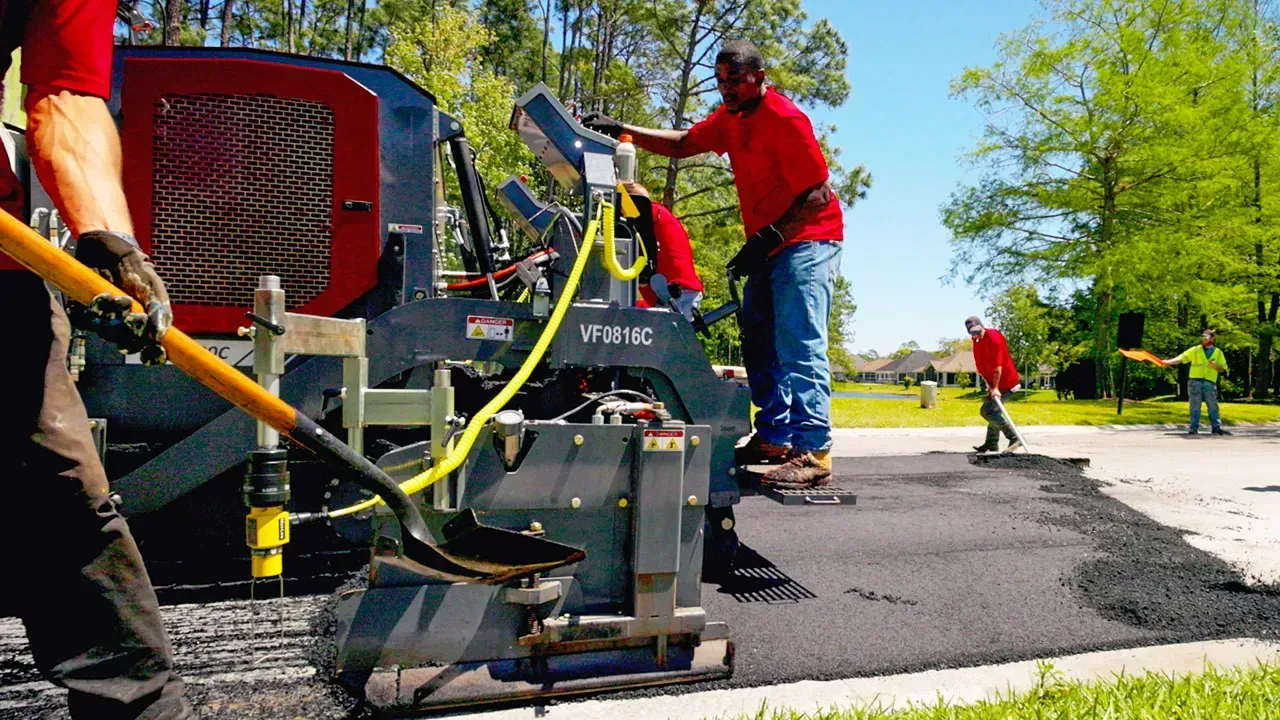
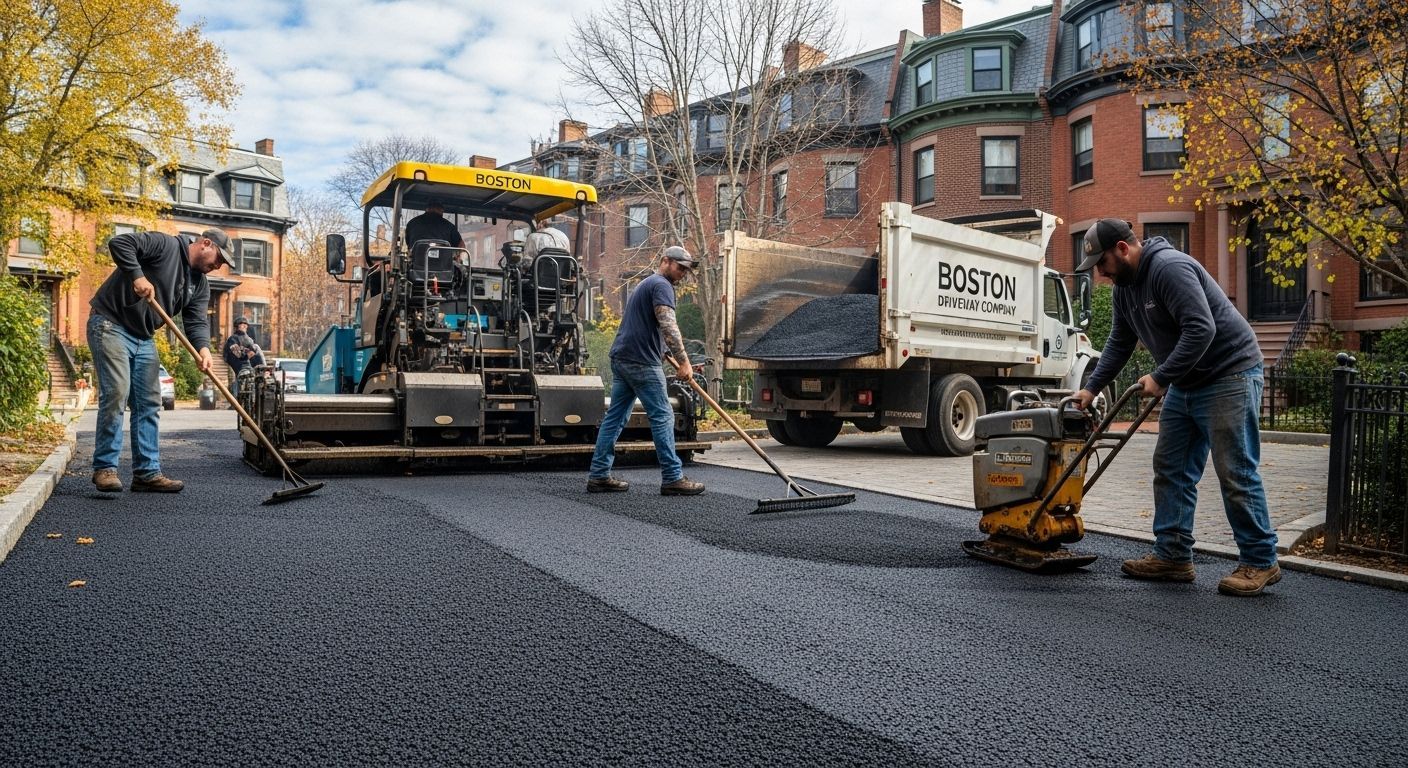
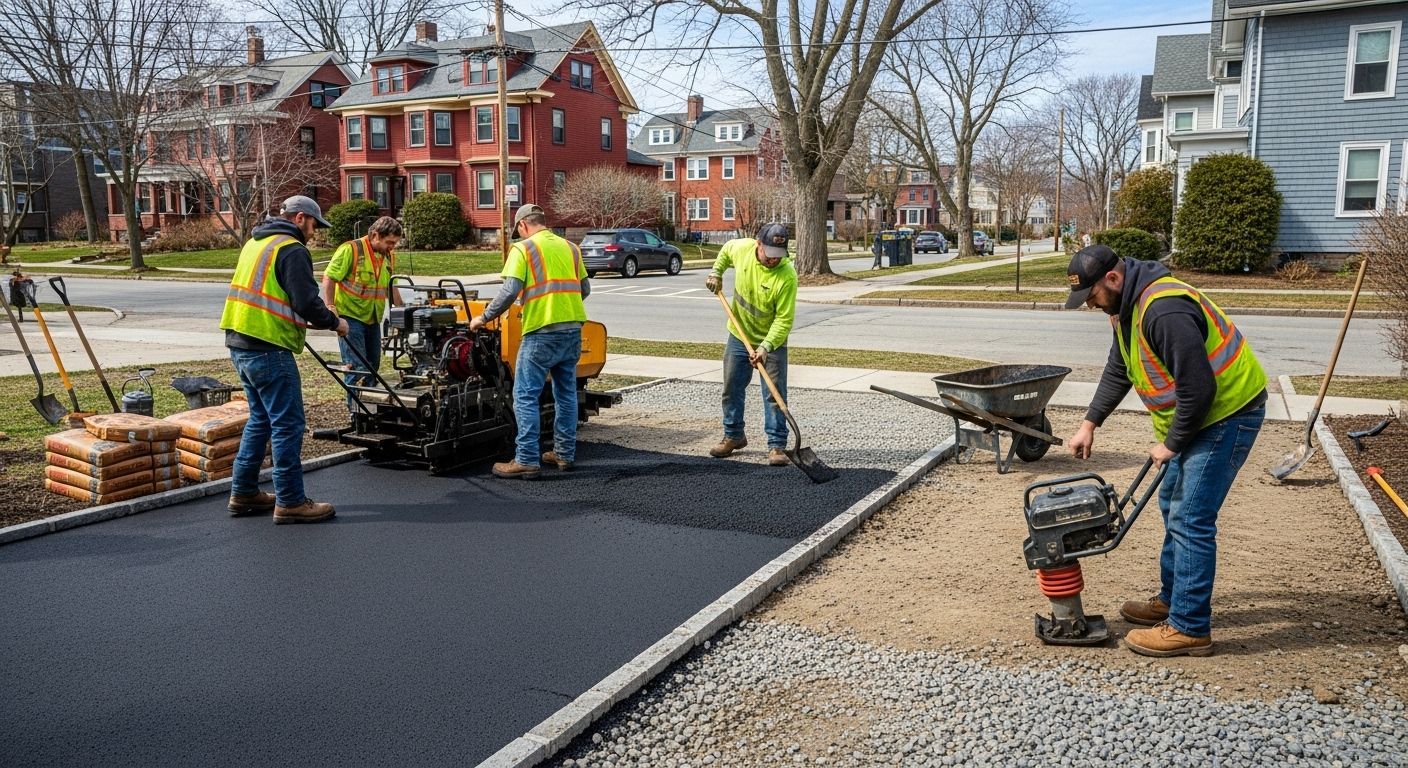
Asphalt driveways follow similar logic but have a few additional repair options worth knowing about. Surface cracks and minor deterioration on an otherwise sound asphalt driveway respond well to crack sealing and resurfacing — essentially applying a new layer of asphalt over the existing one to restore the surface and extend the life of the driveway by ten years or more.
That's a genuine middle-ground option that concrete doesn't really have, and it makes the driveway repair vs replacement decision a little more forgiving for asphalt. The caveat is that resurfacing only works if the base is solid. If the asphalt has large potholes, alligator cracking — that interconnected pattern that looks like a reptile's skin — or significant areas where the surface is crumbling and soft underfoot, the base has broken down and resurfacing is just putting new material on top of a failing foundation. It won't hold.
Age matters too, and it's worth being honest about. A concrete driveway that's well-maintained can last thirty to fifty years. An asphalt driveway typically has a lifespan of twenty to thirty years with proper sealing and maintenance. If your driveway is approaching or past those ranges and showing significant damage, the repair vs replacement math often tips toward replacement — not because individual repairs can't be done, but because you'll keep making them on an aging surface that's going to keep finding new ways to fail.
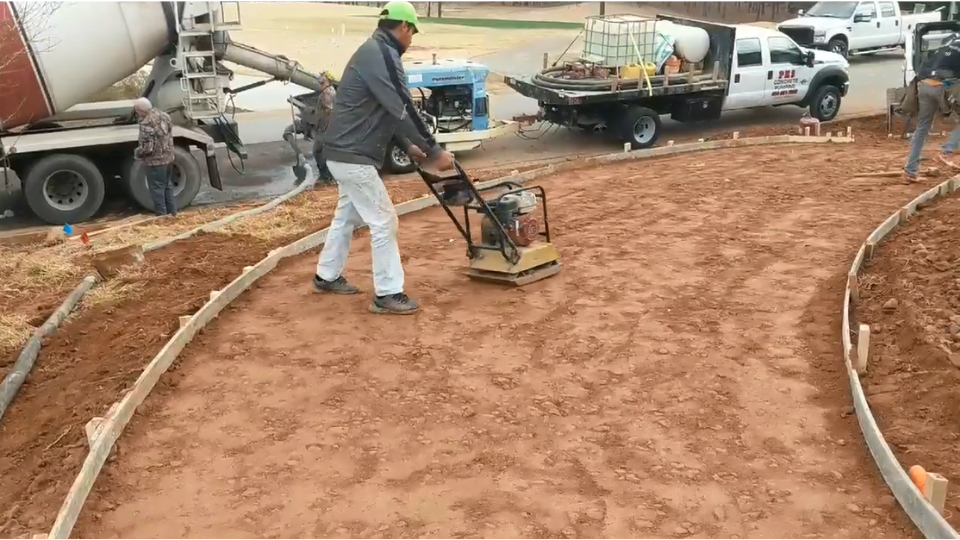
One thing a lot of homeowners underestimate is drainage. A driveway that holds water in low spots isn't just annoying — the standing water is accelerating the deterioration of the surface and working its way into whatever cracks exist, freezing and expanding in winter and widening the damage each cycle. If your driveway has developed low spots or the slope has changed over time, that's usually a sign of base settlement, and it's hard to fix properly without at least a partial reconstruction of that section.
When you're getting quotes, ask contractors specifically whether they're proposing to address the base or just the surface. A legitimate contractor assessing a driveway with base failure will tell you that resurfacing or patching won't solve the problem long-term. If someone quotes you a cheap repair on a driveway that clearly has structural issues, that's worth questioning.
The honest framework for the driveway repair vs replacement question is this: if the damage covers less than a third of the surface, the base is sound, and the driveway is less than halfway through its expected lifespan, repair is likely the right call. If the damage is widespread, the base has shifted, the driveway is old, or you've been repairing the same areas repeatedly, you're probably throwing good money after bad. A new driveway is a real expense, but it's a better investment than a series of repairs that never quite get ahead of the deterioration.